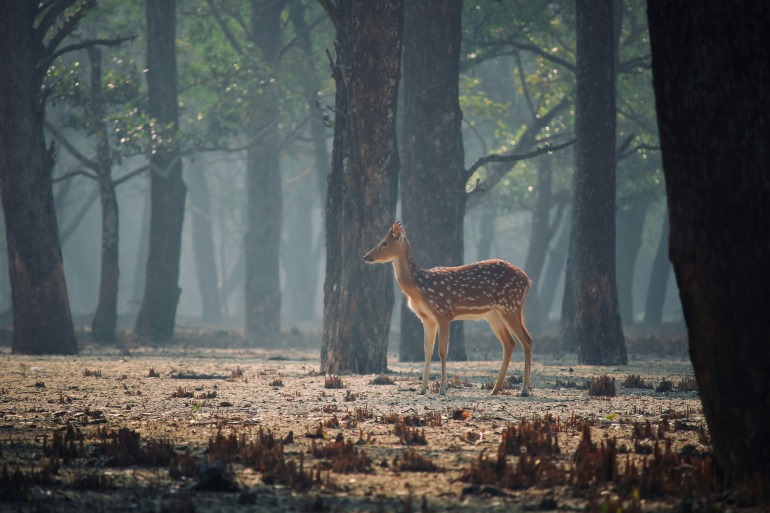
When the phrase “wildlife safari” is mentioned, the collective imagination often defaults to the sprawling savannas of East Africa—complete with luxury tented camps and astronomical price tags. However, for the conscious traveler, the Indian subcontinent and its neighboring nations offer an ecological richness that rivals the Serengeti, at a mere fraction of the cost.
South Asia is a theater of incredible biodiversity, hosting everything from the elusive snow leopard in the high Himalayas to the majestic blue whale in the Indian Ocean. As solo travel continues to rise across the subcontinent, with more individuals seeking purpose-driven and restorative journeys, accessible wildlife tourism is stepping into the spotlight. By shifting focus away from hyper-commercialized luxury lodges and embracing community-led hospitality, travelers can experience world-class wildlife encounters without draining their savings.
Here is a guide to some of the most spectacular, budget-friendly wildlife adventures in South Asia, designed for the modern explorer.
1. Chitwan and Bardia National Parks, Nepal
While Nepal is globally revered for its high-altitude trekking circuits, its southern Terai plains harbor some of the most intense jungle environments in Asia.
Chitwan National Park is highly accessible and famous for its dense population of the greater one-horned rhinoceros. What makes Chitwan a standout for budget travelers is the legality of walking safaris. Instead of renting an expensive jeep, you can hire two licensed local guides for a fraction of the cost and track rhinos, sloth bears, and even the Bengal tiger on foot.
For those willing to travel further, Bardia National Park in the far west offers a rawer, more isolated experience. It requires a longer bus journey, but the lower park fees, affordable local guesthouses, and significantly higher chances of spotting a tiger make it a premier off-beat destination.
2. Udawalawe and Minneriya, Sri Lanka
Sri Lanka is an island where wildlife is woven seamlessly into the daily landscape. While Yala National Park draws the most crowds (and the highest prices) for leopard sightings, the savvy traveler looks elsewhere.
Udawalawe National Park is arguably the best place in the world to see wild Asian elephants in their natural habitat, often rivaling African parks for sheer density. The surrounding town is filled with affordable, family-run guesthouses that offer home-cooked meals and can arrange shared jeep safaris.
Alternatively, Minneriya National Park hosts “The Gathering” during the dry summer months, where hundreds of elephants congregate around an ancient reservoir. Thanks to favorable exchange rates and a robust, competitive local hospitality sector, arranging transport and entry is highly economical.
3. The Sundarbans, India and Bangladesh
Spanning the border of India and Bangladesh, the Sundarbans is the largest continuous mangrove forest on Earth. This UNESCO World Heritage site is the fiercely guarded territory of the Royal Bengal Tiger, uniquely adapted to swim in the saline waters.
Unlike traditional jeep safaris, the Sundarbans is explored entirely by boat. The Indian side, accessible via West Bengal, has seen a positive shift in its tourism infrastructure. Travelers can book multi-day budget cruises that include simple onboard sleeping arrangements and all meals. Drifting through the misty, silent waterways at dawn, scanning the muddy banks for pugmarks, offers an atmospheric thrill that land-based safaris simply cannot match.
4. Satpura Tiger Reserve, India
In India, the cost of tiger safaris in famous parks like Ranthambore or Bandhavgarh can skyrocket due to high vehicle fees and luxury resort monopolies. Satpura Tiger Reserve in Madhya Pradesh offers a refreshing alternative.
Satpura is one of the only tiger reserves in India that allows walking safaris and kayaking in its buffer zones. Paddling silently along the Denwa River to watch crocodiles and grazing herbivores is not only an incredibly low-impact way to view wildlife, but it is also far cheaper than hiring a private Gypsy. The region is actively promoting eco-tourism, resulting in a sprouting of affordable, sustainable homestays run by local communities.
What to Expect
- Unpredictability: Unlike a zoo, the jungle makes no promises. You are operating on nature’s schedule. A three-hour safari might yield nothing but peacocks and macaques, only for a leopard to cross the road right outside your homestay later that evening.
- Weather Extremes: South Asian jungles can be punishing. Expect intense heat and high humidity during the peak wildlife-viewing months (April to June), or heavy downpours and leeches if you travel during the monsoon fringes.
- Rustic Hospitality: When traveling on a budget, expect your accommodations to be clean but basic. You will likely be relying on ceiling fans rather than air conditioning, and you will be eating local, seasonal food rather than continental buffets. Embrace it—this is where the true authenticity of the region shines.
How to Keep Costs Low
- Embrace the Sharing Economy: Safari vehicle costs (like the ubiquitous Maruti Gypsy in India) are usually charged per vehicle, not per person. This can be brutally expensive for the rising demographic of solo travelers. Use homestay notice boards or local forums to find other travelers to split the cost of the jeep and the guide.
- Utilize Public Transport: Skip the private AC taxis. South Asia has vast, incredibly cheap railway and bus networks. An overnight train in India or a local bus in Sri Lanka will save you a tremendous amount of money and offer a cultural immersion of its own.
- Opt for Buffer Zones: In many Indian and Nepalese parks, the “core” zones have high entry fees, while the “buffer” zones are significantly cheaper and often just as rich in wildlife.
- Travel in the Shoulder Season: Peak season (winter) means peak prices. Traveling just before or immediately after the monsoons can result in heavily discounted accommodation rates.
Insider Tips
- Invest in Optics: Do not rely on your smartphone camera. The single best investment for a budget safari is a decent pair of binoculars (8×42 or 10×42). They bring the canopy to life and allow you to appreciate the incredible birdlife, which is often a highlight when the big cats are hiding.
- Dress for the Environment: Leave the bright colors at home. Wear muted earth tones—khakis, browns, and olive greens. Animals associate bright, unnatural colors with danger and will retreat.
- The Rule of Silence: The most successful wildlife encounters happen in absolute silence. Listen to the jungle; alarm calls from deer or monkeys are the most reliable indicators that an apex predator is on the move.
- Tip the Local Guides: Your local drivers and naturalists are the unsung heroes of wildlife conservation. They possess generational knowledge of the terrain. While you are saving money on luxury lodging, ensure you tip your guides generously—it directly supports the local economy and incentivizes the protection of the forest over poaching.
PC: Photo by Mamun Srizon on Unsplash