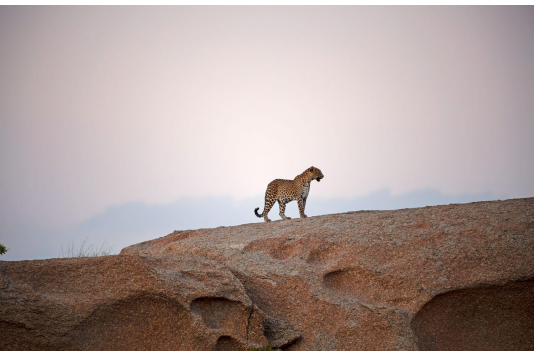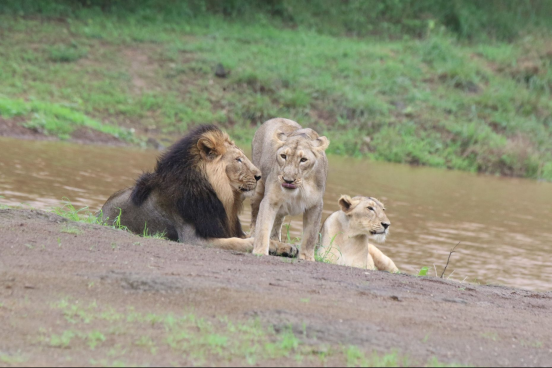
From the Asiatic lions of Gujarat to the leopards of Rajasthan, India’s wildlife landscapes offer diverse opportunities to experience and photograph nature. From dense forests and rocky hills to lakes and grasslands, each region presents its own distinctive wildlife, birdlife and natural surroundings, making it an interesting escape for nature and photography enthusiasts.
GIR NATIONAL PARK, GUJARAT
ARAIYA GIR
Gir is synonymous with the Asiatic lion and remains the last natural stronghold of this endangered species. Located in Gujarat’s Saurashtra region, the landscape comprises dry deciduous forests, teak trees, acacia scrub, open grasslands and seasonal rivers. Alongside the Asiatic lion, the region is home to leopards, spotted deer, sambar, nilgai, wild boar and marsh crocodiles, along with a variety of resident and migratory birds.
For wildlife photographers, Gir offers an opportunity to photograph the Asiatic lion in its natural habitat, alongside other mammals and the diverse birdlife that inhabits the forest. The changing landscape, from dense woodland and open grasslands to seasonal riverbeds,
also provides interesting natural backdrops for photography. Bird enthusiasts can look out for the region’s resident and migratory species, while the forest’s varied terrain offers plenty to capture beyond its most celebrated inhabitant.
Located in the Sasan Gir region, Araiya Gir offers a comfortable base for exploring the surrounding wildlife landscape. The property features 48 villas, each with a private plunge pool, providing guests with space and privacy after a morning spent on safari. Guests can begin their day with a scheduled wildlife excursion before returning to the resort for breakfast, time by their private plunge pools or a meal at the all-day dining restaurant.
RAJAJI NATIONAL PARK, UTTARAKHAND
AALIA JUNGLE RETREAT & SPA, ARAIYA ANTHOLOGY
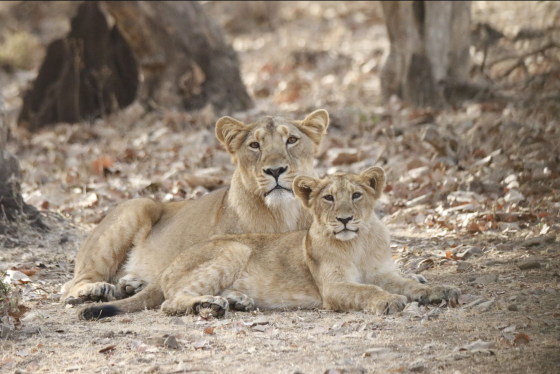
Spread across the Shivalik foothills of Uttarakhand, Rajaji National Park is known for its extensive forest cover, river corridors and diverse wildlife. Its landscape includes dense sal forests, grasslands, seasonal streams and forested hills. The park is particularly known for its Asian elephant population, while leopards, sambar, spotted deer, barking deer and wild boar also inhabit the region. Tigers are present within the reserve, although sightings are less predictable.
The region offers wildlife and nature photographers an opportunity to capture Asian elephants in their forest habitat, along with deer and other mammals that inhabit the reserve. Its varied landscape also makes for interesting photography, from towering sal trees and forest trails to riverine vegetation and open grasslands. The surrounding natural environment and birdlife add further opportunities for those interested in documenting the region’s biodiversity.
Situated near Rajaji National Park, Aalia Jungle Retreat & Spa by Araiya Anthology offers a forest stay surrounded by the greenery of Uttarakhand. The retreat features 11 colonial-inspired luxury tents, bringing together the experience of a wilderness camp with contemporary comforts. Guests can plan their stay around morning wildlife excursions and guided nature experiences before returning to the property to enjoy its surroundings, accommodation and dining experiences.
ARAVALLI HILLS, UDAIPUR
KHAS MAHAL SUITES BY FATEH COLLECTION
Wildlife & Nature Experiences at Khas Mahal, Udaipur
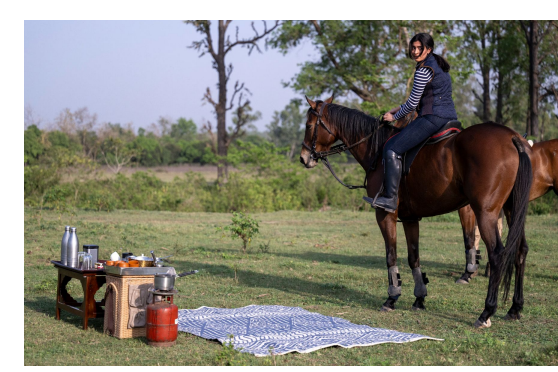
Set amidst the Aravalli landscape, the premises of Khas Mahal offer opportunities to experience the region’s birdlife and surrounding wilderness. Guests can explore the property on guided nature walks with an in-house naturalist or independently with bird books and binoculars. Over 30 bird species are regularly recorded here, including kingfishers, paradise flycatchers, golden orioles, hornbills, sunbirds and woodpeckers, alongside peacocks, partridges and quails. Bird sightings can also be identified in real time through a birding app.
The surrounding wilderness is also home to leopard activity, captured through camera traps placed near a waterhole, along with sightings of hyenas, jungle cats, civets, jackals and wild boars. Guests can further explore the region through village walks in Bhujra and a traditional Sikligar craft experience in Sisarma, or take a slow-paced horseback ride through the landscape. The backwaters of Lake Pichola, a short drive from the property, offer additional opportunities for spotting waterbirds.
RANTHAMBORE NATIONAL PARK, RAJASTHAN
RELAIS AND CHÂTEAUX SUJÁN SHER BAGH
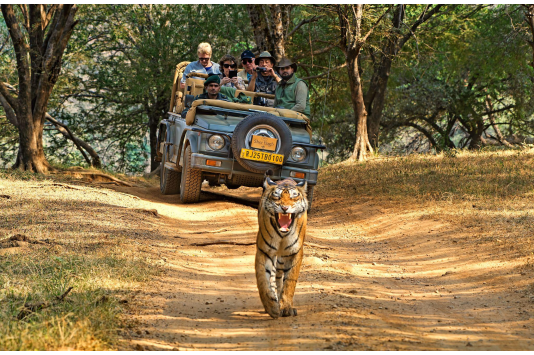
Ranthambore National Park is among India’s best-known wildlife destinations and an important habitat for the Bengal tiger. Located near Sawai Madhopur, the park is characterised by dry deciduous forests, rocky hills, open grasslands, lakes and ancient ruins. Beyond its tiger population, the reserve supports leopards, sloth bears, sambar, spotted deer, nilgai, marsh crocodiles and a wide variety of bird species.
For photographers, Ranthambore presents the opportunity to capture the Bengal tiger against some of India’s most distinctive wildlife backdrops. The lakes, particularly Padam Talao and Rajbagh Talao, offer opportunities to photograph waterbirds and other wildlife around the water’s edge. The contrast of forested terrain, rocky landscapes, historic ruins and open grasslands also makes the destination particularly interesting for landscape and nature photography. Visitors can explore designated safari zones through authorised vehicles accompanied by guides.
Located close to the national park, Relais & Châteaux SUJÁN Sher Bagh offers a luxury tented camp inspired by the traditional safari camps of India. Its accommodation and outdoor spaces reflect the character of a classic wilderness camp, with the surrounding natural environment
forming an important part of the experience. Guests can plan their days around guided game drives into Ranthambore, accompanied by experienced naturalists who offer insights into the park’s wildlife, habitats and conservation efforts.
JAWAI, RAJASTHAN
RELAIS AND CHÂTEAUX SUJÁN JAWAI
Unlike the dense forests of India’s national parks, Jawai offers a distinctive wildlife landscape shaped by ancient granite hills, rocky outcrops, open shrubland, agricultural fields and the Jawai reservoir. Located in Rajasthan’s Pali district, the region is particularly known for its leopard population, which inhabits the rocky formations and surrounding countryside. Hyenas, foxes, antelope and a variety of bird species can also be found here, while the reservoir and its wetlands attract resident and seasonal migratory waterbirds.
Jawai offers particularly interesting opportunities for wildlife photography, with leopards often associated with the region’s dramatic granite formations. The contrast between the rocky hills and the surrounding open countryside creates a distinctive setting for photographing wildlife. Beyond leopard sightings, the Jawai reservoir offers opportunities to capture waterbirds and migratory species, while the surrounding agricultural landscape and the presence of Rabari pastoralist communities provide a glimpse into the relationship between people, wildlife and the land.
Set within this landscape, Relais & Châteaux SUJÁN Jawai is a luxury tented camp that draws on the region’s wilderness and cultural heritage. Its tented suites and outdoor spaces are designed to complement the surrounding terrain, offering views of the granite hills and open countryside. Guided leopard drives led by experienced naturalists and trackers form an important part of the stay, while countryside excursions, birdwatching and experiences introducing guests to local communities offer additional ways to explore Jawai.