The traditional Indian summer holiday is undergoing a forced, radical transformation. With the mercury breaching the 48°C mark across swathes of northern and central India, the sheer intensity of this year’s heatwave is doing more than just keeping people indoors—it is fundamentally rewriting the immediate future of domestic tourism and hospitality.
The Great Altitude Shift
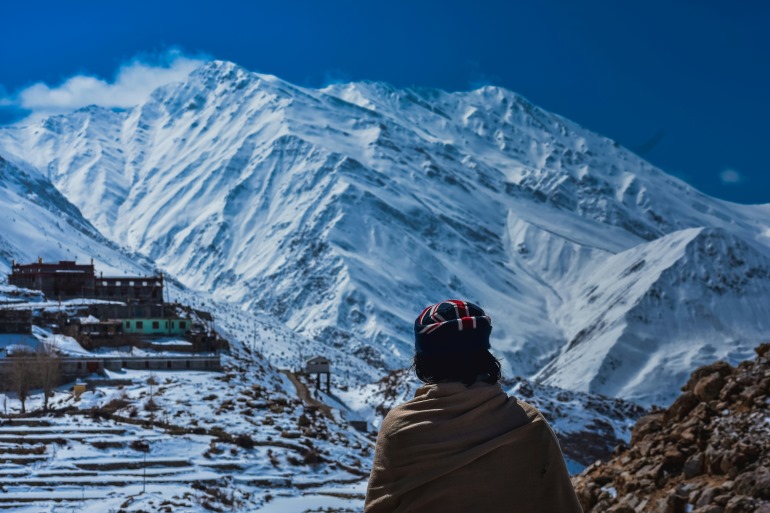
Historically, May and June triggered a mass exodus to the lower Himalayas and the Western Ghats. However, with unprecedented temperatures making even traditional escapes uncomfortably warm, the travel map is being rapidly redrawn. The hospitality sector is witnessing a sharp pivot towards high-altitude frontiers. Destinations once considered niche—such as the remote valleys of Spiti, Zanskar, and the upper reaches of Arunachal Pradesh—are seeing a surge in last-minute bookings. Consequently, hoteliers in these fragile ecological zones are grappling with sudden overcapacity, prompting urgent industry-wide conversations around infrastructure development and sustainable carrying capacity.
Nocturnal Itineraries and Frictionless Exits
To adapt to the punishing daytime heat, traveler behavior is shifting toward post-sunset exploration. This climate reality has inadvertently accelerated the demand for nocturnal travel experiences, solidifying astro-tourism as a major draw in the subcontinent. From the dark sky reserves of Ladakh to specialized stargazing camps in the upper Himalayas, travelers are eagerly trading sun-drenched sightseeing for celestial observation.
Simultaneously, the heatwave is driving a noticeable uptick in outbound tourism. Benefiting from simplified, frictionless visa regimes, a significant segment of the Indian market is bypassing domestic heat altogether, opting instead for the cooler, temperate climates of Central Asia, Eastern Europe, and the Caucasian nations.
Recalibrating the Revenue Calendar
For the Indian hospitality industry, the economic ripple effects are stark. Heritage properties and luxury circuits in Rajasthan and the central plains are facing a wave of early summer cancellations, forcing a strategic rethink of the annual revenue calendar. Industry leaders and policymakers are now actively promoting the “shoulder seasons” and the upcoming monsoon as the primary windows for domestic travel, signaling what may be a permanent shift away from the classic summer vacation model.
Ultimately, the 48°C reality is a wake-up call. As climate anomalies become the new standard, the travel sector must move beyond reactive surge pricing. The focus must now shift entirely toward climate-resilient tourism policies and innovative, heat-adapted hospitality models, ensuring that the impulse to explore does not melt away under the summer sun.